Vintage Animation Art, Lovingly Documented
Cuckoo Comics began in 1999 as the online gallery of a South Florida collector and art consultant known to friends in the hobby as the head cuckoo. For nearly a decade Cuckoo Comics featured some of the rarest pieces of vintage animation art ever offered: production cels from the great hand-drawn features of 1937 to 1959, panoramic pan set-ups, watercolor concept paintings, graphite animation drawings, signed duck-artist lithographs, and original cartoon movie posters. Today Cuckoo Comics is a field guide for anyone who loves the art form.
How to Read the Gallery Now
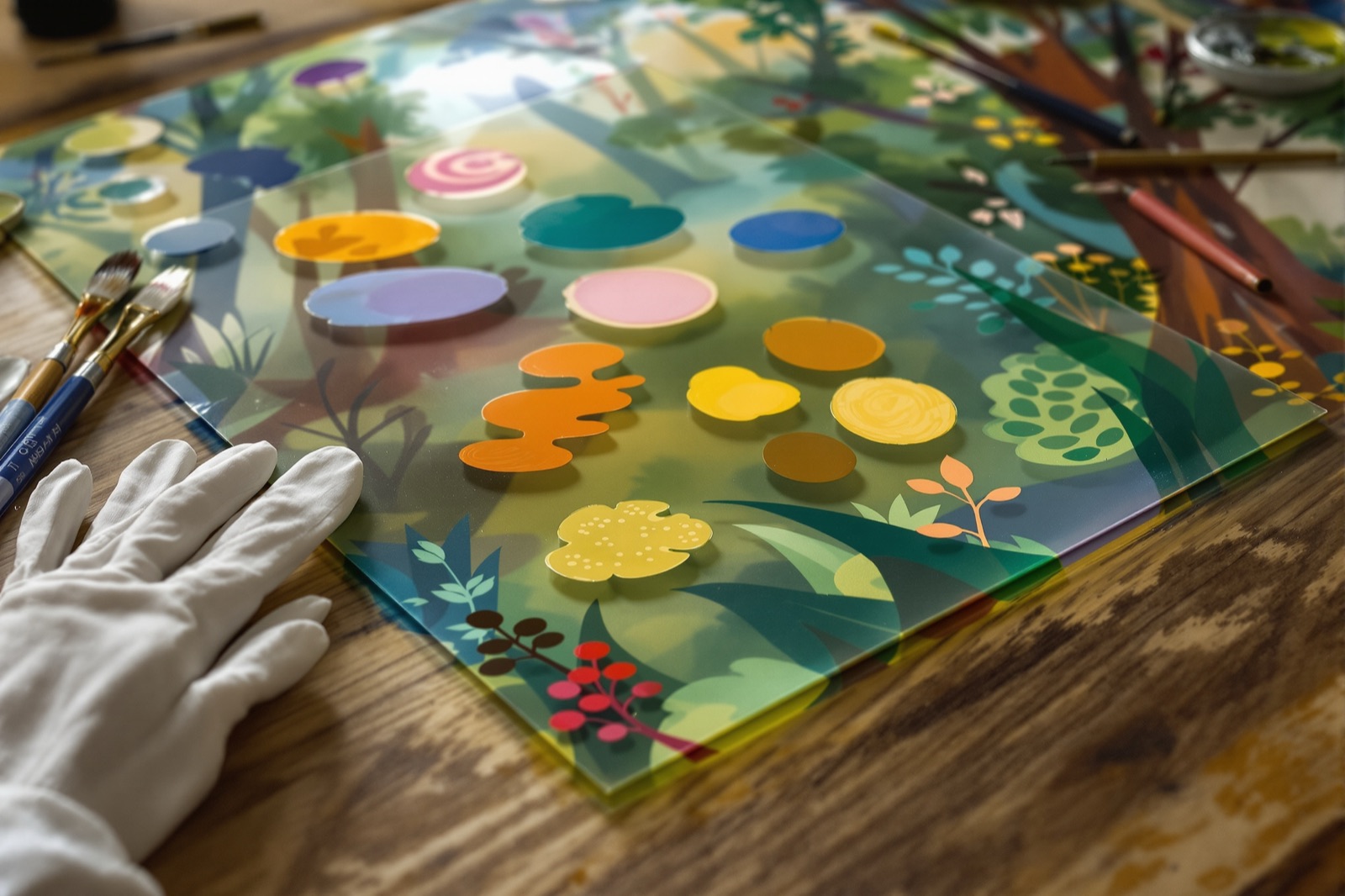
The old sales-room arrangement still makes sense as a way to learn. A cel page shows the finished layer that reached the camera; a drawings page reveals the decisions underneath it; concept paintings establish mood and color; posters show how the completed picture met its audience. Read across those rooms and the objects stop looking like isolated wall pieces. They become parts of one long production chain, each carrying different evidence about how it was made, handled, presented, and eventually collected.
That is also why the captions matter. Words such as production, printed, matched, pan, layout, and set-up describe relationships, not decoration, and a small change in wording can identify a very different object. The collector’s guide to researching a piece gathers those distinctions into a practical reading habit: identify the format, separate an original background from a presentation background, examine condition, and keep the paperwork with the art. The gallery pages then become useful comparison material even when no particular character or scene is familiar.
Nothing here needs to be approached in a prescribed order. Following a material — graphite, transparent cel, watercolor, printing ink — can be as revealing as following a film or an artist. The pleasure lies in noticing connections: peg holes that point back to the camera stand, a wide background that implies movement, or fold lines that recall a poster’s working life. Those ordinary physical clues are often where animation history feels most immediate.
A Collector's Philosophy
Cuckoo Comics offered a piece of advice that has aged well: do not rely on any one dealer. Every beginning collector should use as many sources of information as possible — websites, galleries, auctions, and printed references — in order to become a more aware and competent buyer. There is such a wide array of art available, such a wide range (and sometimes disparity) in prices, and such a wide selection of dealers, that great time and care should be taken with every decision. Please don't take this research lightly: every collector finds the dealer they deserve.
That remains one of the best single sentences of guidance in the hobby. The full collector's guide to vintage animation art expands the philosophy into a practical checklist.
The Famous Candlelit Pan Set-Up
A centerpiece of the 1999 collection was extraordinary even by the standards of major auction houses: a complete studio-prepared production pan set-up from a beloved 1955 romantic feature — original production cels placed over their panoramic production background, depicting the candlelit Italian dinner scene that became one of the most quoted moments in animation history. At the time it was believed to be the only complete set-up of its kind known to exist. Pieces of that caliber rarely surface publicly; when they do, they tend to move quietly between advanced collectors. You can read more about what a pan set-up is, and why matched cel-and-background combinations matter so much, in our guide to how animation cels were made.
Topics in This Guide
The gallery's holdings fell into a few broad families, which also organize this collection:
- Golden-age feature animation art — production cels and Courvoisier set-ups from the landmark features of 1937–1959.
- Art from other studios — Fleischer Studios cels and backgrounds, Warner Bros. production art, and signed Carl Barks paintings and lithographs.
- Concept art and color styling — the painted imagination of Mary Blair, Eyvind Earle, and John Hench.
- Animation drawings — graphite roughs, layout drawings, and story art from 1932 to 1959.
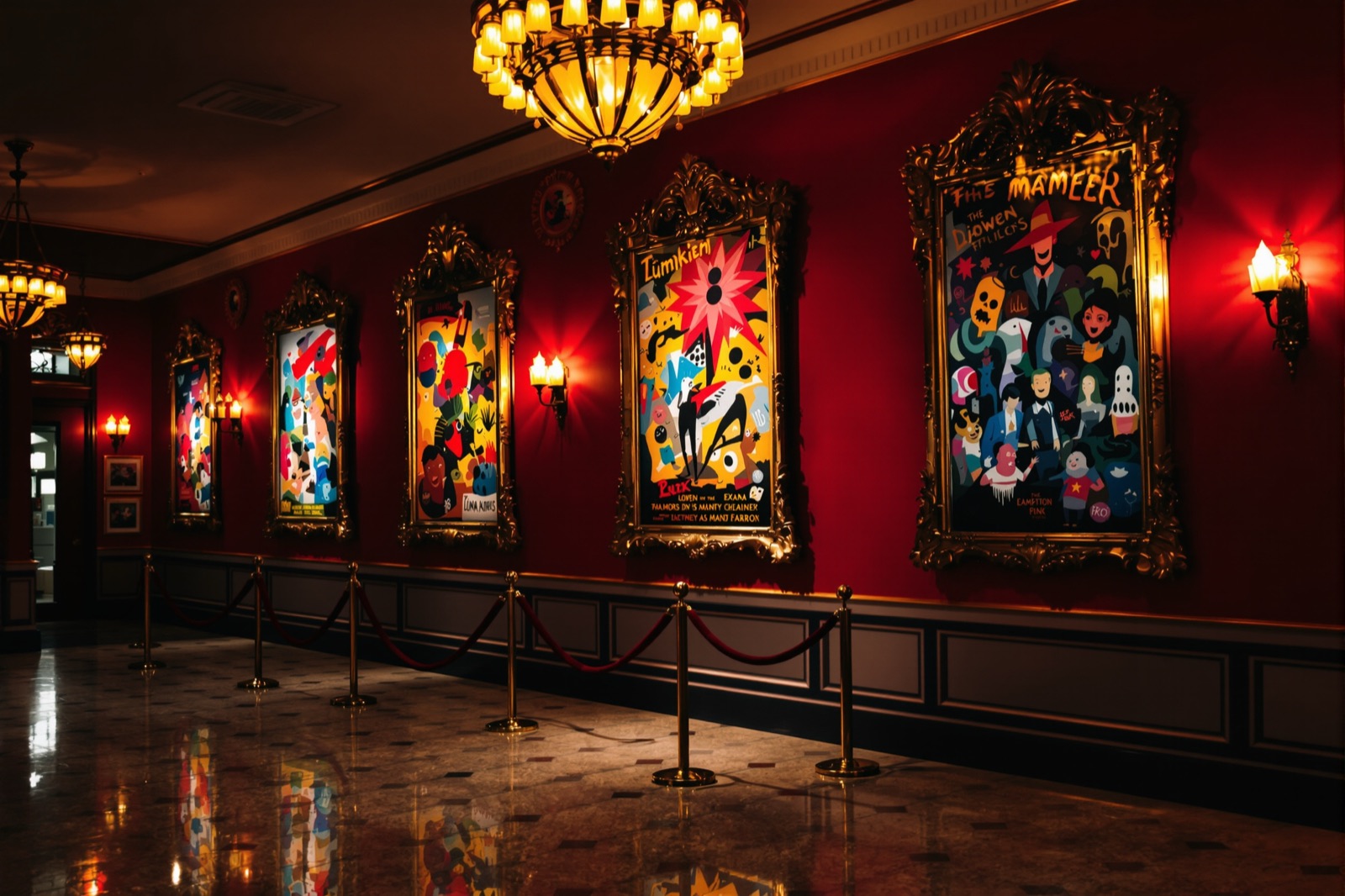
- Original cartoon movie posters — stone-lithographed one-sheets and three-sheets from the golden age of the animated short.
Why Vintage Animation Art Matters
Animation art is the rare collectible that is simultaneously a piece of fine art, a piece of film history, and a piece of manufacturing process. Every cel was painted by hand; every background was a finished painting; every drawing carries the energy of an animator working at speed. Institutions agree: the Smithsonian Institution holds animation artwork in its national collections, and the Academy of Motion Picture Arts and Sciences preserves production art in its Margaret Herrick Library. What was once studio scrap — literally washed off and reused during lean years — is now museum material.
The market reflects that journey. Pieces that sold for a few dollars at department-store art programs in 1939 have brought six figures at auction. The sound advice still stands: collect what you love, learn the terminology, verify provenance, and take your time. Start with the collecting guide, then browse the artist essays on Mary Blair, Carl Barks, and Eyvind Earle.