Concept Art and Color Styling
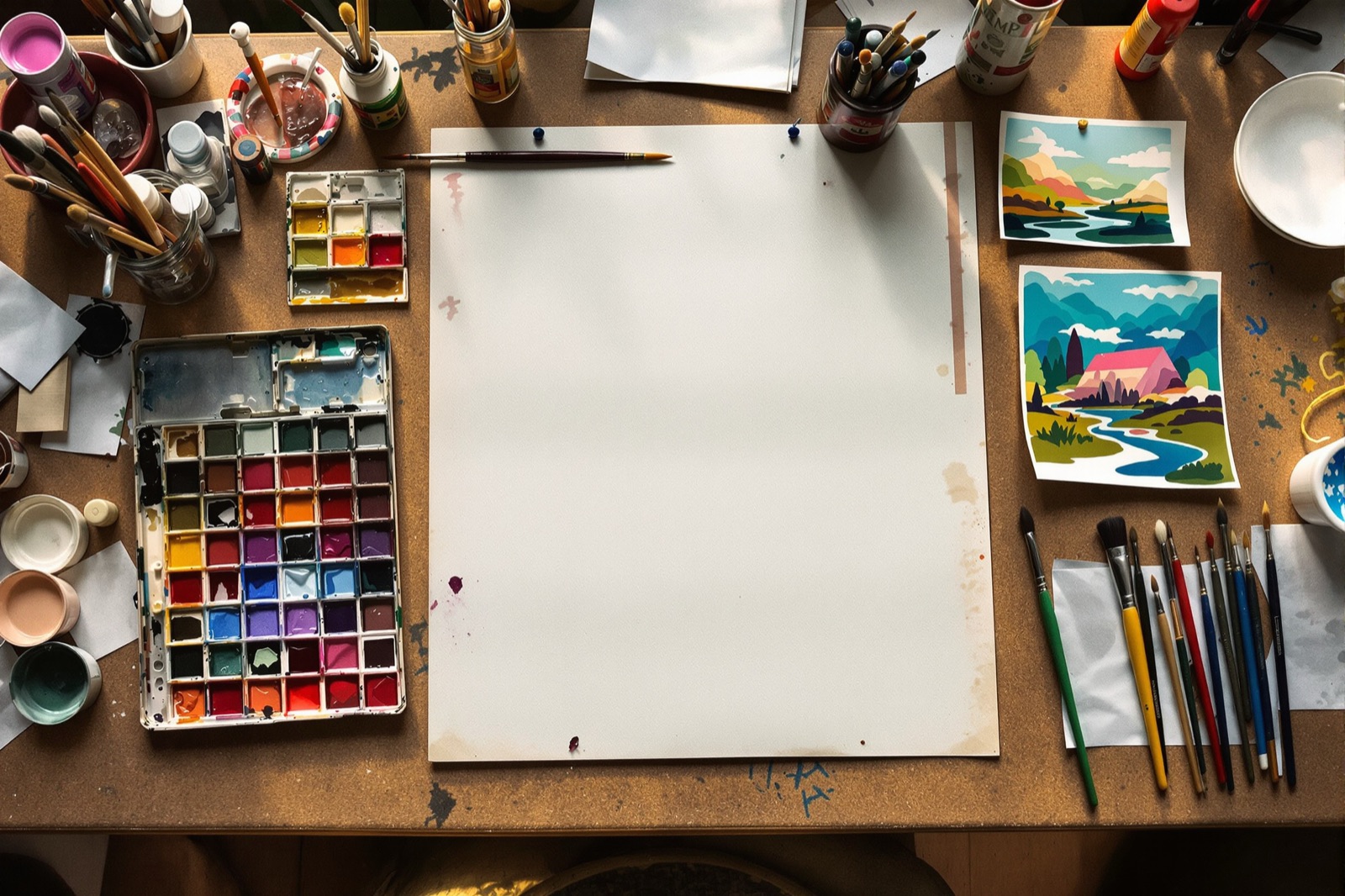
Before a single cel was inked, before a single scene was animated, the look of a golden-age feature was invented in paint. Small watercolors and gouaches — concept art, color keys, styling sketches — established the palette, the mood, and the emotional temperature of everything that followed. The original cuckoocomics.com devoted this page to three masters of that invisible craft, and its short biographies were good enough to preserve nearly word for word. The featured piece at the top of the page was a concept painting by Mary Blair for a world-famous boat-ride attraction — the subject of its own essay on the Mary Blair page.
Mary Blair
Mary Blair was born in 1911 in Oklahoma. She began her career as a well-received fine-art watercolorist, but soon moved to working in the animation industry, most notably for the famous Burbank studio, where her art was a great favorite of the studio's founder. She worked on concept art for the two Latin American goodwill features of the early 1940s and was credited as art supervisor on both. She is most famous for the wonderful concept art she created for the 1950 ball-gown fairy tale, the 1951 looking-glass fantasy, and the 1953 pirate adventure, on which she was credited as color stylist. In the 1960s she was asked to help design the international children's boat ride that became her most public legacy, and she designed the ninety-foot mural that greeted guests in the lobby of a landmark resort hotel when it opened in 1971. Through four different decades her artistic vision and color styling shaped some of the most beloved creations in American popular art. Her paintings are now exhibited in museum retrospectives and treasured by collectors; her style — flat, childlike, fearless with color — has influenced generations of designers.
Eyvind Earle
Eyvind Earle was born in 1916 in New York City. He had a long and distinguished sixty-year career as a contemporary artist, author, and illustrator, most famous for his serigraphs and original watercolor landscapes; his work entered the permanent collections of major museums including the Metropolitan Museum of Art in New York. In the 1950s, Earle worked at the Burbank studio as color stylist and production designer on the 1953 pirate adventure, the 1955 candlelit-supper romance, and — most notably — the 1959 medieval epic, for which his concept paintings created the look and style of the entire film. He also painted many of the production backgrounds actually photographed for the finished feature. His full story continues on the Eyvind Earle artist page.
John Hench
John Hench was born in Iowa in 1908 and worked for the same studio organization for an astonishing sixty-five years. Beginning in 1939 he moved through the story department, backgrounds, layouts, art direction, and effects animation, contributing to the 1940 concert feature, the 1941 flying-elephant picture, the Latin American features, the 1948 music anthology, the ball-gown fairy tale, the looking-glass fantasy, and the pirate adventure. He worked on the special effects for the studio's celebrated 1954 live-action submarine adventure, which won an Academy Award for its effects, and he later became one of the guiding artists of the company's theme-park design division, where he painted the official portraits of the studio's flagship character for decades. Hench was the rare artist equally fluent in film, design, and architecture.
Collecting Concept Art
Concept art occupies a special tier of the market. Each piece is unique — there are no editions, no duplicates, no second chances — and each is a complete painting by a named artist rather than a production artifact assembled by many hands. Attribution is therefore everything: a styling sketch in the manner of Blair or Earle is worth a fraction of a documented original. Provenance chains, studio stamps, exhibition history, and publication in animation-history books are the collector's anchors here, and our collecting guide explains how to weigh each. For the patient collector, concept art remains the deepest water in the hobby: the place where animation collecting becomes, simply, fine-art collecting.